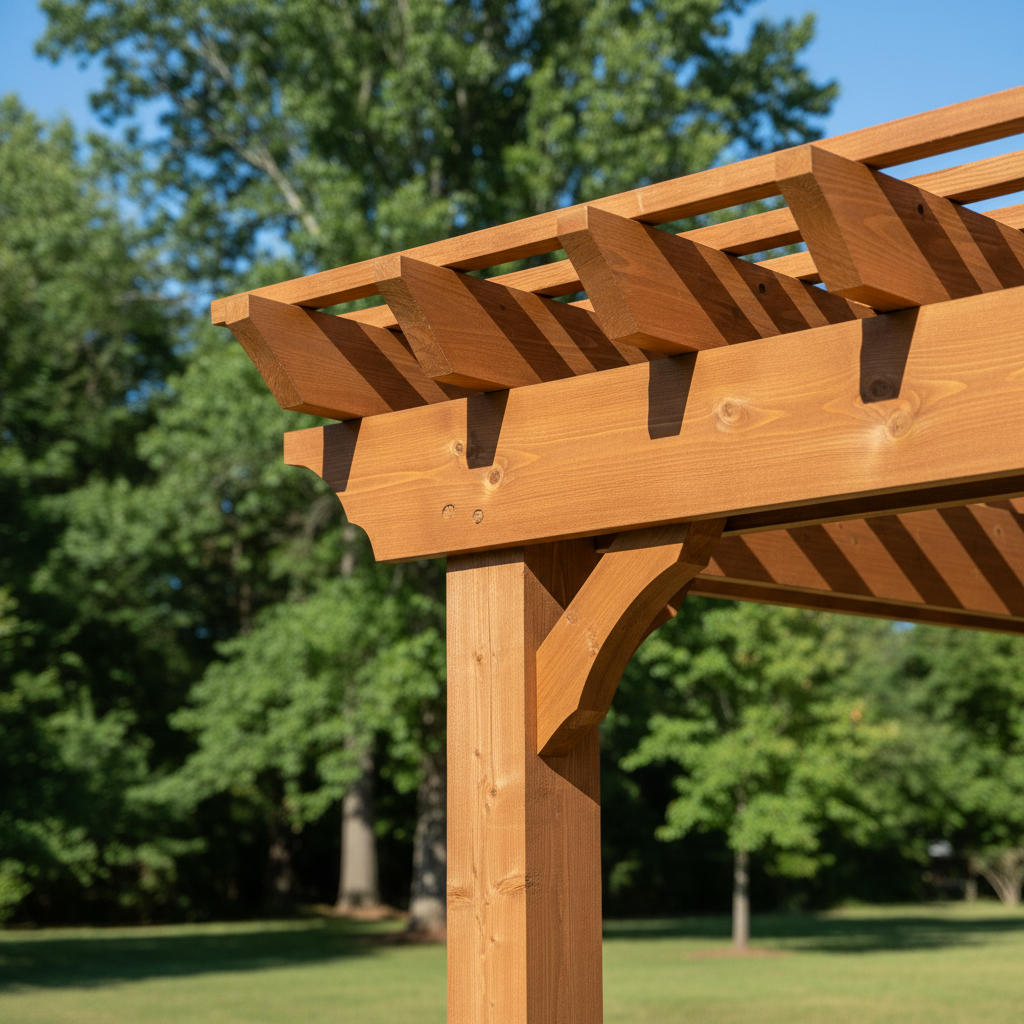
What's the real difference between a pergola and a gazebo?
Honestly, this is probably the question I hear most often when folks start dreaming up their outdoor spaces. It's pretty simple, actually. A gazebo is a fully roofed structure, usually octagonal or round, and it's built to give you complete shelter from both rain and direct sun. Think of it like a small outdoor room, a cozy spot. A pergola, on the other hand, has an open, slatted roof. Its job is to give you partial shade, mark off an outdoor living area, and often, it's a perfect support for climbing plants. You won't stay dry under a pergola during a Ringgold summer downpour, no way, but you'll get this lovely dappled light and a nice breeze. They both add a ton of character to your yard, but their main purposes are quite different.
Do I need a permit to build a pergola in Ringgold?
Alright, this is a big one, and you absolutely, positively need to check with the Catoosa County Planning & Zoning office before you even think about digging. Generally speaking, if your pergola is attached to your house, or if it's a freestanding structure over a certain size (often 120 square feet, but this can change), you'll probably need a building permit. Even if it's smaller, there might be rules about how close it can be to your property lines — setback requirements, they call them. It's not just about the structure itself; it's about making sure it's built to code and doesn't mess with easements or your neighbor's property. Don't skip this step. A quick call or visit can save you a massive headache and potential fines down the road. We always make sure our projects at Sunrise Deck Solutions are fully compliant, by the way.
What materials are best for a pergola in our climate?
Here in Ringgold, we get a little bit of everything, don't we? Hot, humid summers, freezing winters sometimes, and plenty of rain. So, picking the right material is super important for how long your pergola will last. Pressure-treated pine is a popular, budget-friendly choice. It's treated to fight off rot and insects, which is vital here. But, it will check and crack over time, and you'll need to stain or seal it regularly. Cedar is another good option; it naturally resists rot and insects and looks beautiful, but it's pricier than pine. For something low-maintenance, composite or vinyl pergolas are fantastic. They won't rot, warp, or need painting, but they do come with a higher upfront cost. Aluminum is also an option, very durable and low-maintenance. The